
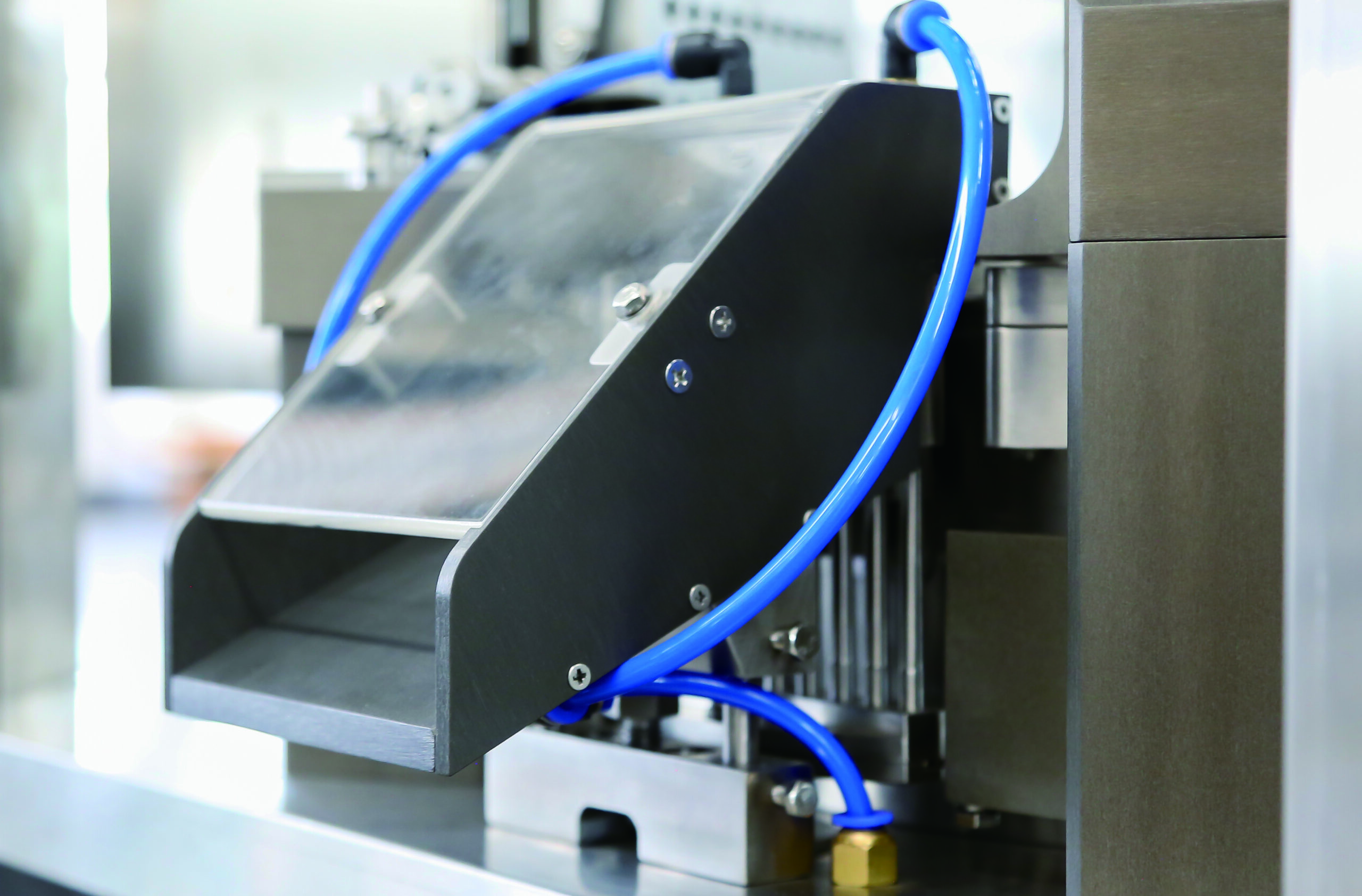
Inside the Capsule: When Speed Becomes the Enemy
One thing I see in almost every plant I visit is the same question: “How fast can we run this machine?”
It makes sense. Everyone wants higher output. Everyone wants more bottles per hour. But after 15 years working with every type of encapsulation machine out there, I can tell you this with confidence:
Running a capsule filler at max speed doesn’t guarantee max production. In many cases, it does the opposite.
What really matters is consistent flow, not the number on the HMI.
1. High Speed Creates Instability
When operators push the speed to the limit, small issues that were harmless at lower speeds suddenly become real problems. A tiny vibration, a slightly sticky powder, a misaligned pin, all of it gets amplified.
I’ve seen machines crash, dosing stations knock out of alignment, and segments wear prematurely because someone wanted to squeeze out an extra 5,000 capsules per hour.
Most of these problems disappear the moment you slow the machine down a little.
2. Higher Speed = Higher Rejects
Your rejects go up long before you notice it on paper. Capsule halves don’t seat perfectly. The closing block starts fighting the rhythm. Your weights start to drift. Capsules start to dent or split. You can run a machine at 100 percent speed and still lose hours of productivity because you’re constantly stopping to fix the results of that extra speed.
A stable 75–85 percent often gives you more good capsules at the end of the day than 100 percent ever will.
3. The Machine Has a Sweet Spot
Every machine has a natural “sweet spot”: A speed at which dosing, capsule separation, and timing all sync perfectly. The powder flows smoothly. The weights stay stable. The machine sounds right. The operators are less stressed.
Once you find that sweet spot, everything gets easier. Output goes up. Downtime goes down. Your day becomes predictable.
This isn’t something you learn from a manual. You learn it by listening to the machine and watching how it reacts to the powder in real time.
Why is this important?
Speed is not the goal. Uptime is the goal. Consistency is the goal.
I’ve seen plants get higher numbers on slower speeds just because the machine stayed stable all day. They didn’t have to stop. They didn’t have to chase weights or fix jams. They didn’t burn time resetting alignment.
That’s real productivity.
At the end of the day…
Anyone can push a machine fast. But the operators and teams who truly understand these machines know that speed is earned, not forced.
A capsule filler rewards discipline, not aggression. Find the sweet spot. Stay consistent. And the capsules will follow.
A Note From Me
Thank you for taking the time to read these insights and support this newsletter. I’m not trying to be a blogger or anything like that. I’m just sharing what I’ve learned from being on the floor, working on these machines, and dealing with real problems in real production rooms.