
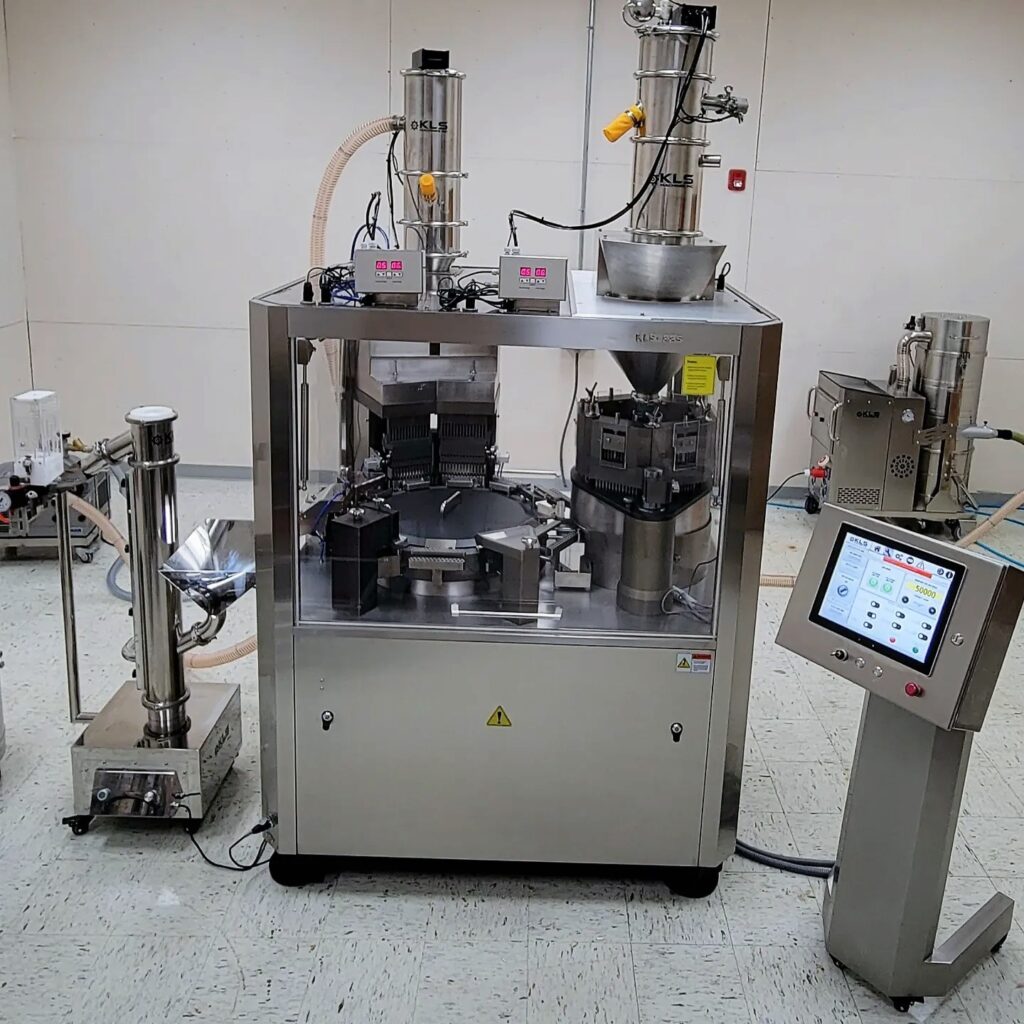
5 Common Mistakes During Changeovers in the KLS-225 Capsule Filler
5 Common Mistakes During Changeovers in the KLS-225 Capsule Filler
Changeovers are an essential part of the capsule filling process, as they ensure that the machine can efficiently transition between batches, reducing downtime and maintaining product quality. However, common mistakes during changeovers can negatively impact the machine’s performance, leading to inconsistent capsule fills and operational inefficiencies. Here are five common mistakes operators make during changeovers and how to avoid them, based on key setup elements from the KLS-225 manual.
1. Using the Wrong Dosing Disc
The dosing disc is critical in ensuring the correct amount of powder is dispensed into each capsule. Using the wrong dosing disc is one of the most common mistakes during a changeover. Each capsule size requires a specific dosing disc to achieve precise filling. If the wrong disc is used, it can lead to inconsistent powder distribution, underfilled or overfilled capsules, and even machine downtime.
How to Avoid It:
- Always Verify Capsule Size: Before starting the changeover, ensure that you are using the correct dosing disc for the specific capsule size you are filling.
- Align the Dosing Disc Properly: Ensure the dosing disc is securely installed and aligned with the lower segments. Misalignment can lead to powder loss or inconsistent fills.
- Use Dosing Disc Alignment Pins: As outlined in the manual, use the dosing disc alignment pins to ensure correct horizontal alignment of the disc. Tighten the bolts to secure the disc in place, ensuring it moves smoothly without resistance.
2. Incorrect Tamping Ring Gap
The gap between the tamping ring and dosing disc is essential for achieving proper compaction of the powder inside the capsule. If the gap is too wide, powder loss will occur, and if it’s too tight, the dosing drive could become jammed. This misalignment can result in poor powder slugs, inconsistent capsule fills, and downtime for adjustments.
How to Avoid It:
- Set the Correct Gap Based on Powder Type: For sticky, thick powders, start with a 0.12mm gap. For fine, thin, or fluffy powders, start with a 0.06mm gap.
- Use a Feeler Gauge for Accuracy: Always use a feeler gauge to set the gap precisely. Adjustments should be made carefully to ensure the tamping ring is level after the gap is modified.
- Double-Check During Operation: If the gap is too tight or too wide during production, pause the machine, remove the powder, and adjust the tamping ring and dosing disc gap accordingly.
3. Failing to Clean the Machine Thoroughly
Before performing any changeover, it’s essential to thoroughly clean all machine parts, especially the dosing disc, tamping ring, and powder bowl. Powder residue from previous batches can contaminate the new product, causing inconsistent capsule weight or even mechanical issues due to buildup.
How to Avoid It:
- Follow a Cleaning Checklist: Ensure all components, such as the dosing disc, tamping pin guide plate, and powder bowl, are cleaned properly.
- Use Appropriate Cleaning Tools: Utilize cleaning brushes, tweezers, and other necessary tools to remove any material buildup or residue from the previous batch. Always check for powder build-up on the bottom of the upper closing block or any other components that may be affected.
- Inspect for Wear or Damage: After cleaning, inspect parts for wear or damage. Worn tamping springs, dosing discs, or powder tubes should be replaced immediately to prevent malfunction.
4. Incorrect Alignment of Segments and Magazines
Alignment issues with the lower segments, magazines, or horizontal fingers can lead to capsule misplacement or incomplete fills. Improper alignment during changeovers often results in capsules not loading into the magazines correctly or capsules failing to rotate into the vertical position. This can cause significant production delays and require corrective adjustments.
How to Avoid It:
- Align Lower Segments to Dosing Disc: Ensure that the lower segments are aligned with the dosing disc to ensure proper powder distribution and slug formation.
- Check Magazine Alignment: Ensure that the magazine front and rear plates are aligned, and verify that vertical fingers/magazines are set to the correct height. Misalignment can cause capsules to become stuck or improperly loaded.
- Check Horizontal Finger Positioning: Horizontal fingers should be properly adjusted and set within the correct range to avoid capsule misalignment in the orientation block channels.
5. Neglecting to Adjust the Vacuum Pressure and Timing
The vacuum pressure plays a critical role in the proper loading and separation of capsules during changeovers. If the vacuum pressure is too high or too low, it can cause issues such as capsules not fully separating or cracking during loading.
How to Avoid It:
- Adjust Vacuum Pressure Correctly: Ensure that vacuum pressure is set to the proper level. If the vacuum pressure is too high, it can cause the capsule caps to pop off; if it’s too low, capsules may not load properly into the segments or separate efficiently.
- Check for Obstructions: Verify that the suction shoes, vacuum pump, flow valves, and filters are clear of blockages or contamination. Clogged filters or suction lines can reduce the efficiency of capsule separation.
- Check Separation Cam Timing: Ensure that the separation cam timing is accurately set and that the separation nozzles are positioned properly to maximize capsule separation.
Conclusion
A smooth and efficient changeover process is essential for maintaining optimal performance and consistent product quality in capsule filling operations. By avoiding these five common mistakes—using the wrong dosing disc, incorrect tamping ring gap, failing to clean the machine, incorrect alignment, and neglecting vacuum pressure adjustments—you can significantly reduce downtime, improve fill accuracy, and maintain the longevity of your KLS-225 capsule filling machine.
Implementing best practices and following the steps outlined in the KLS-225 manual will ensure that your machine runs at peak efficiency during every changeover. Always remember to adhere to the safety protocols outlined in the manual and work with trained and skilled personnel to ensure safe and effective operations.